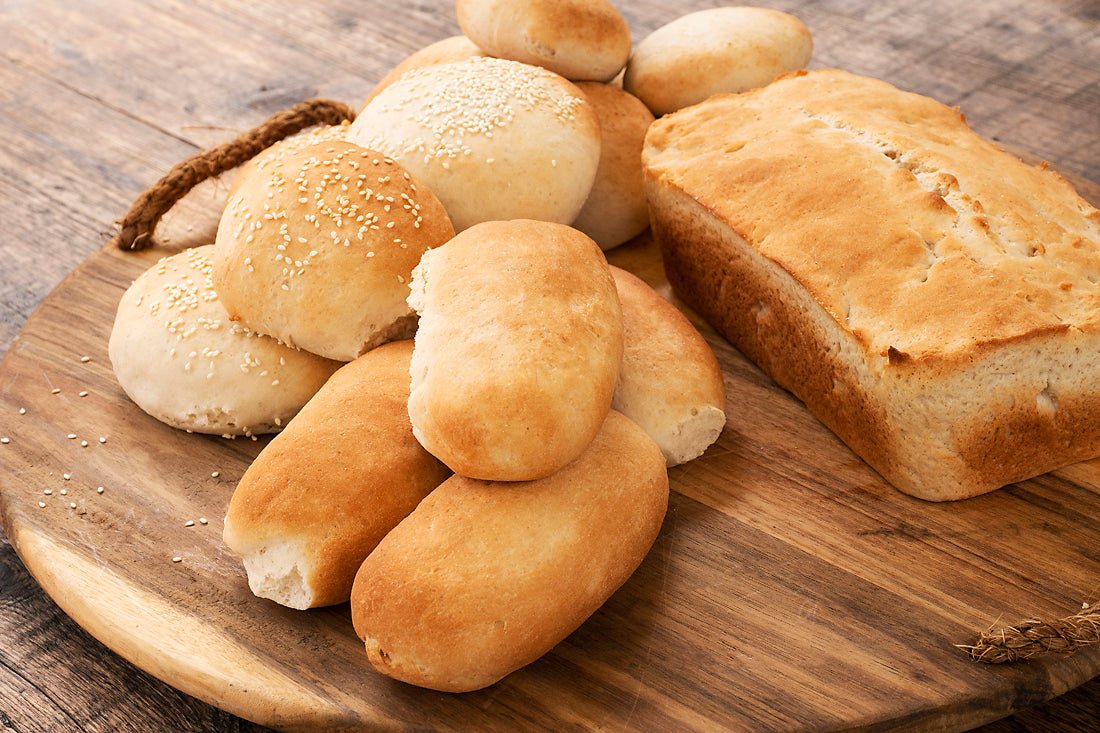
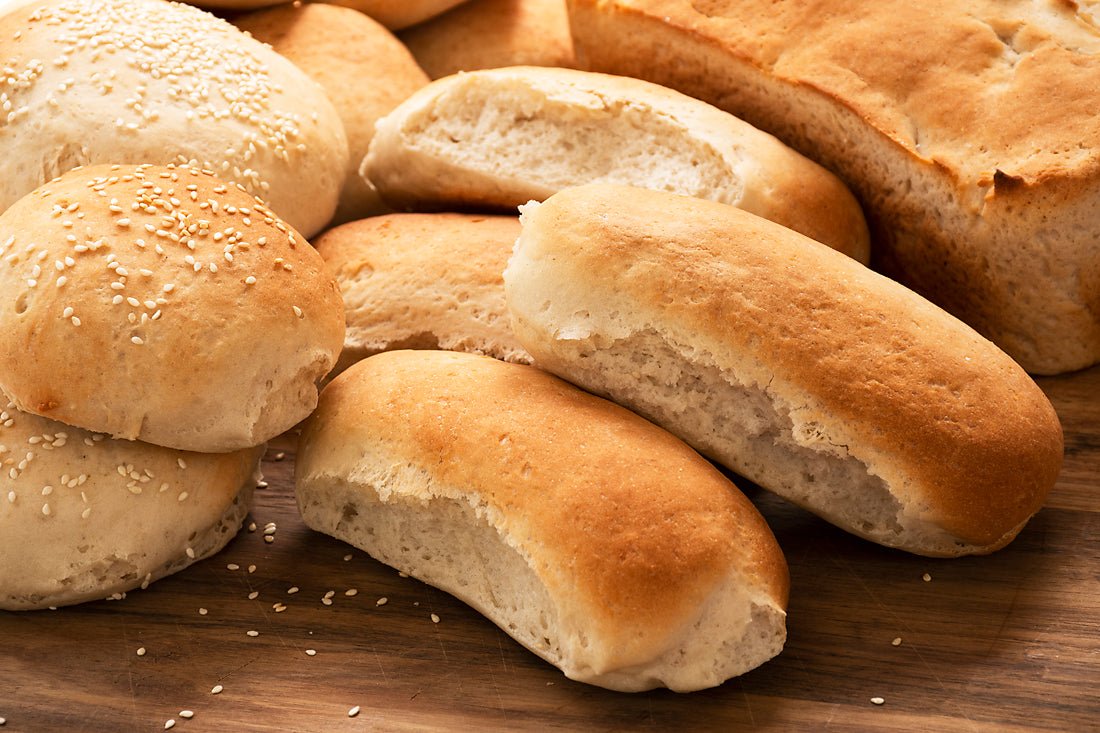
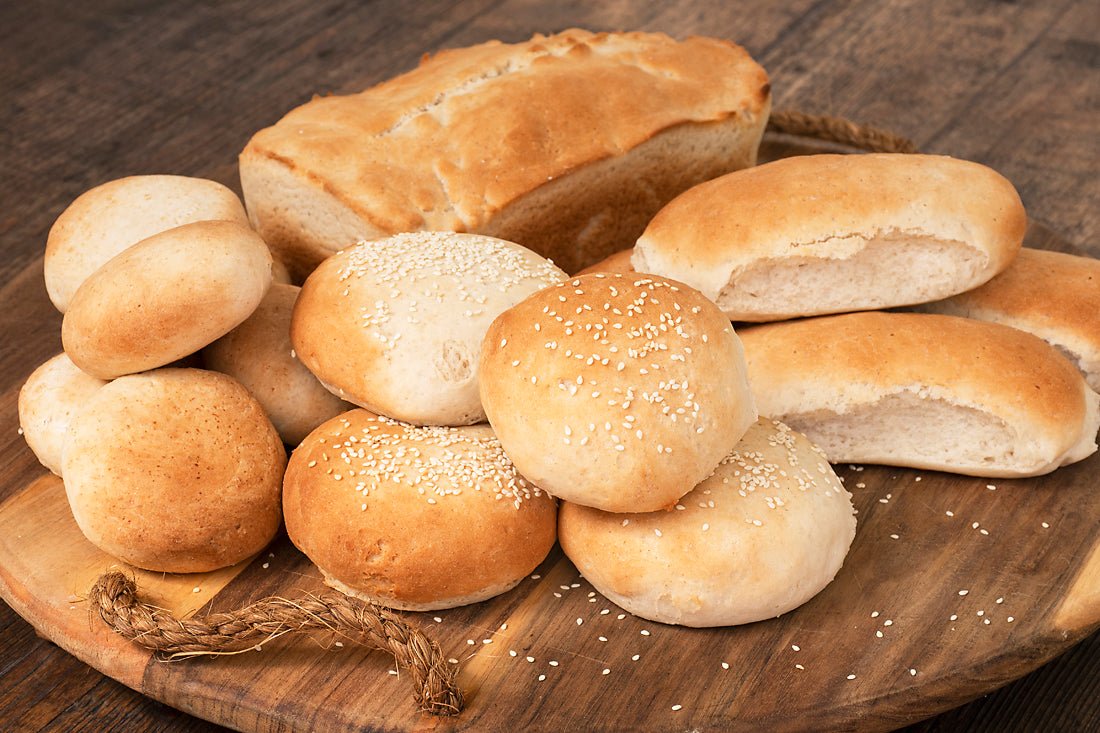
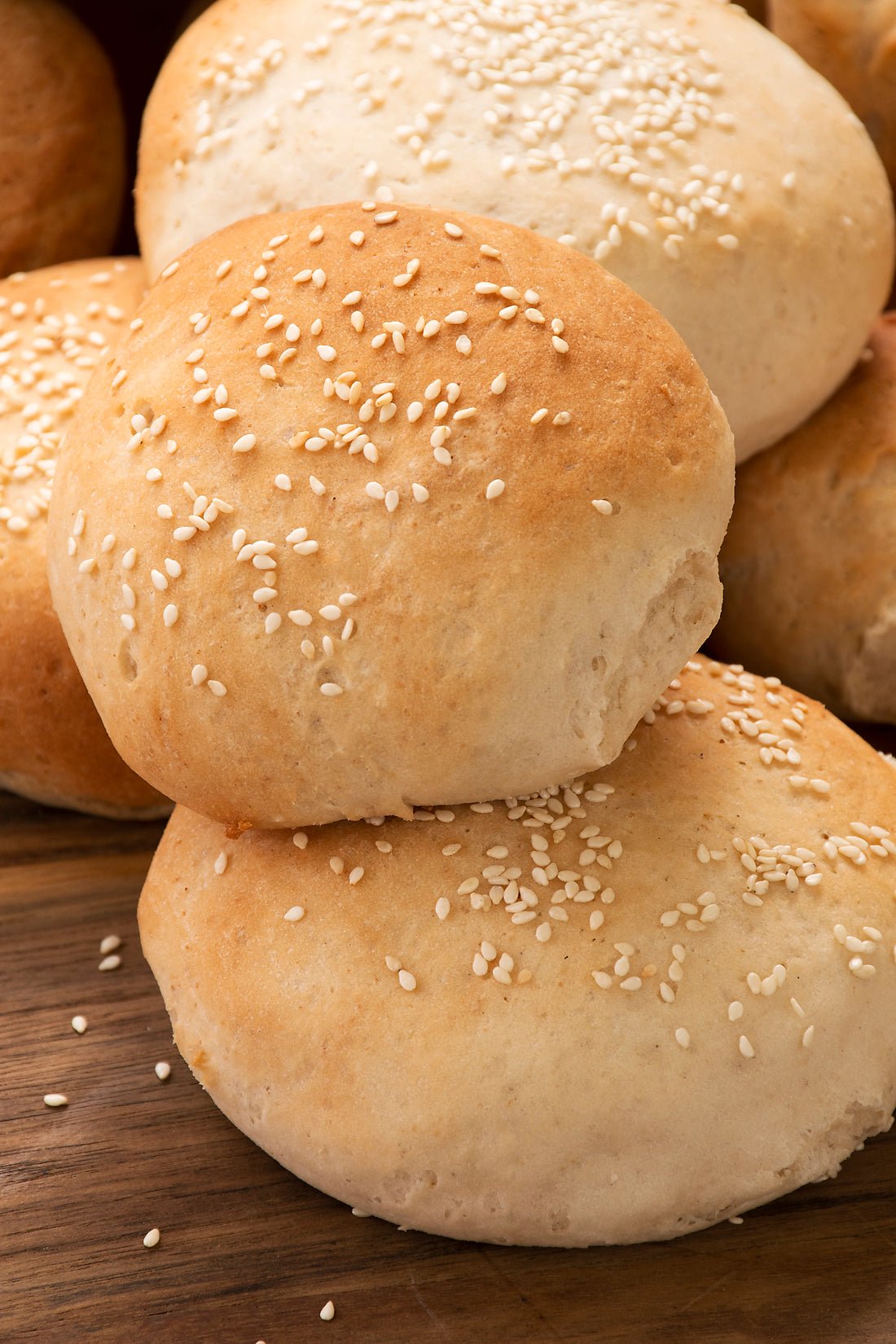
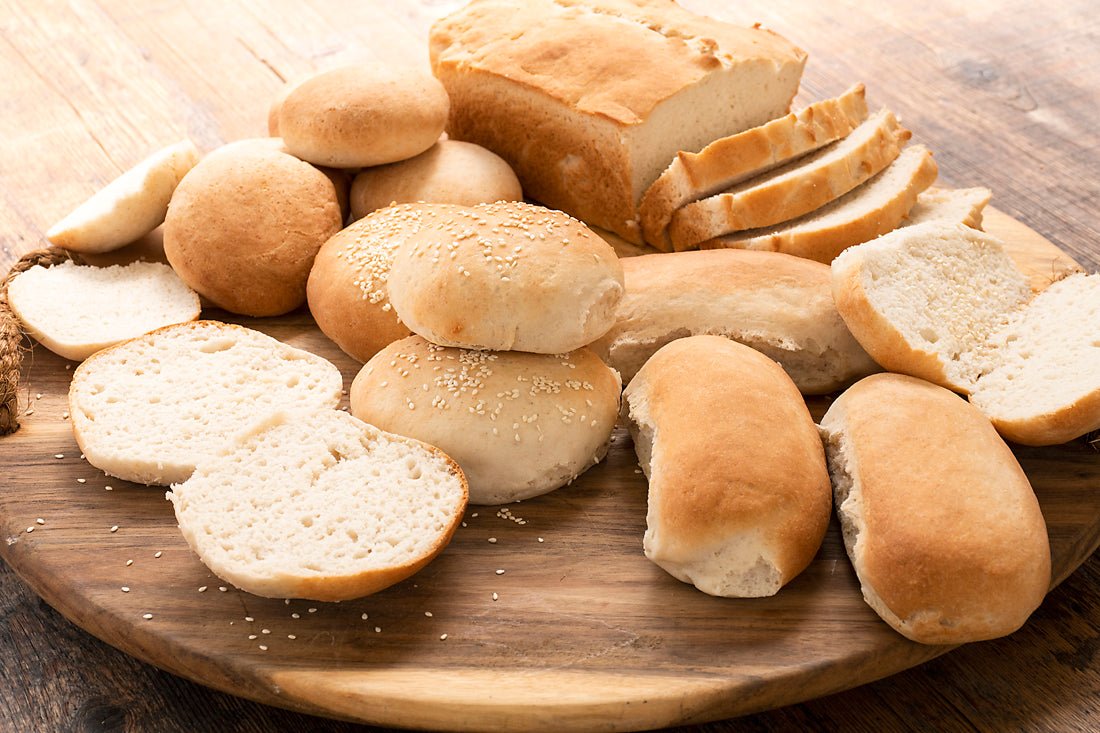
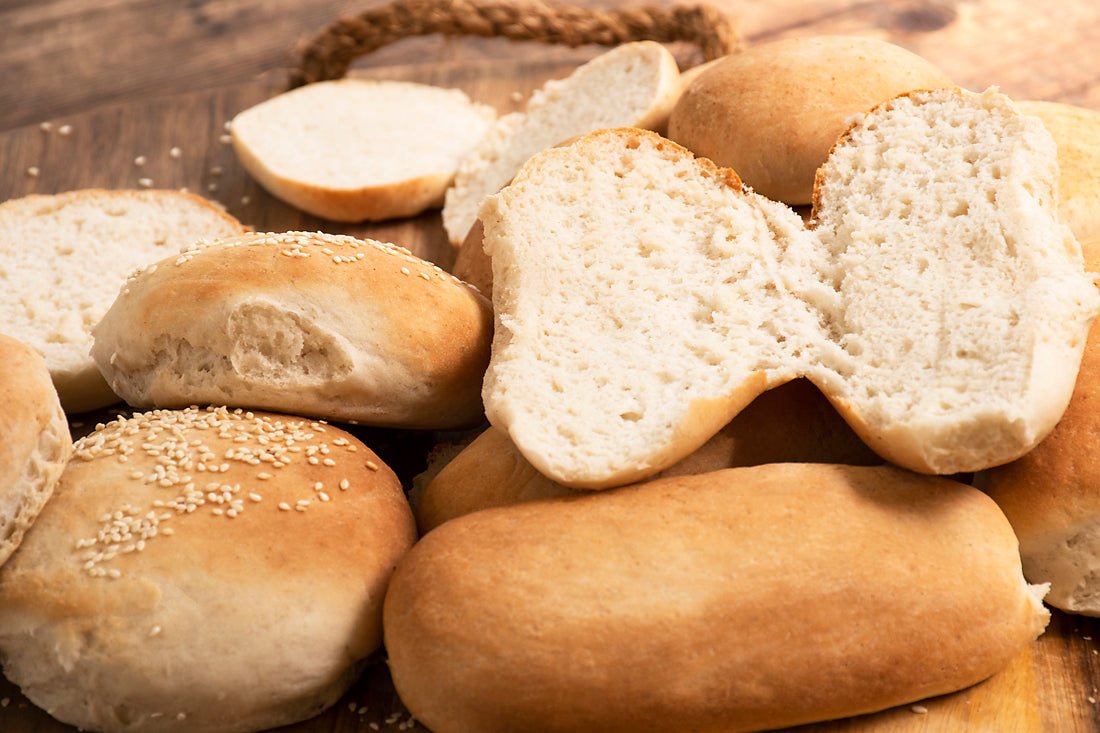
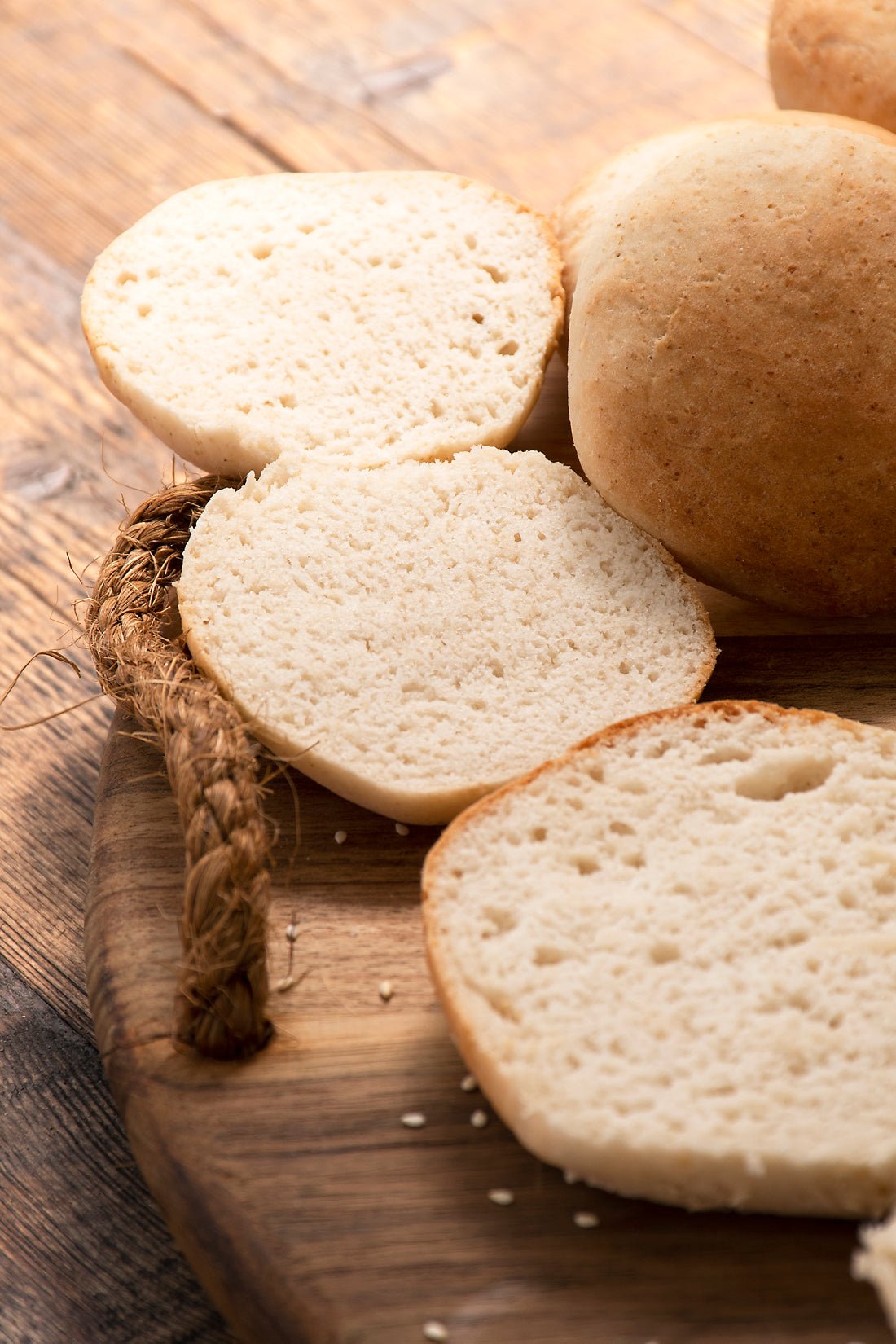
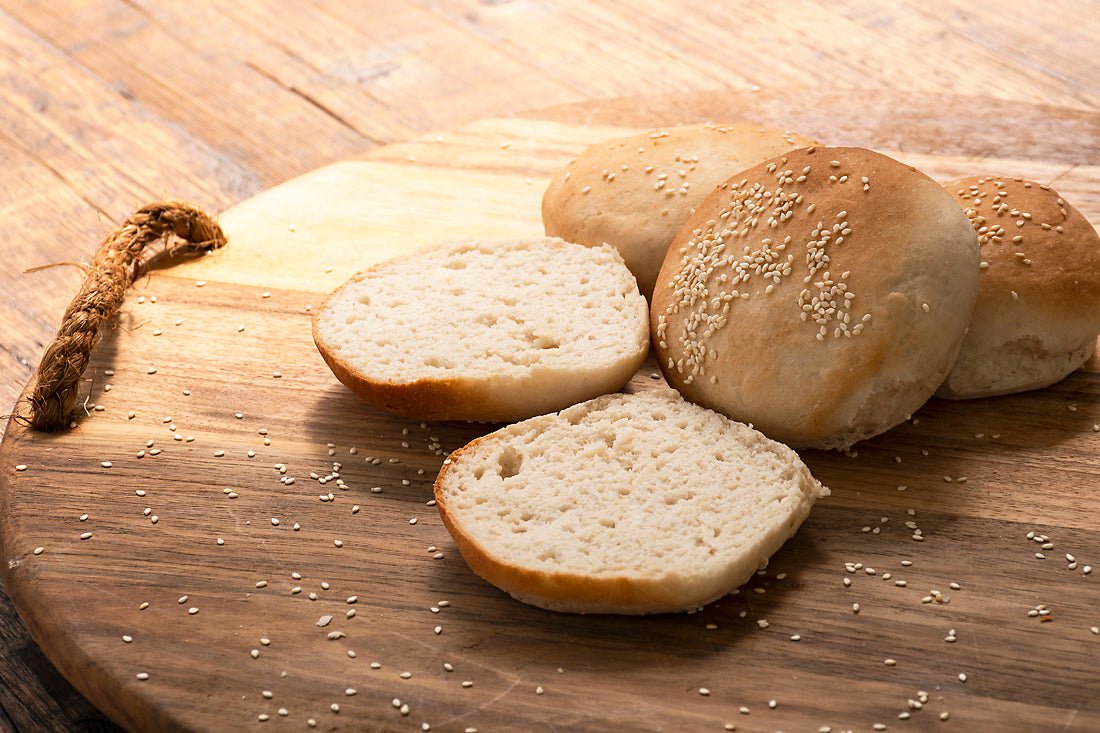
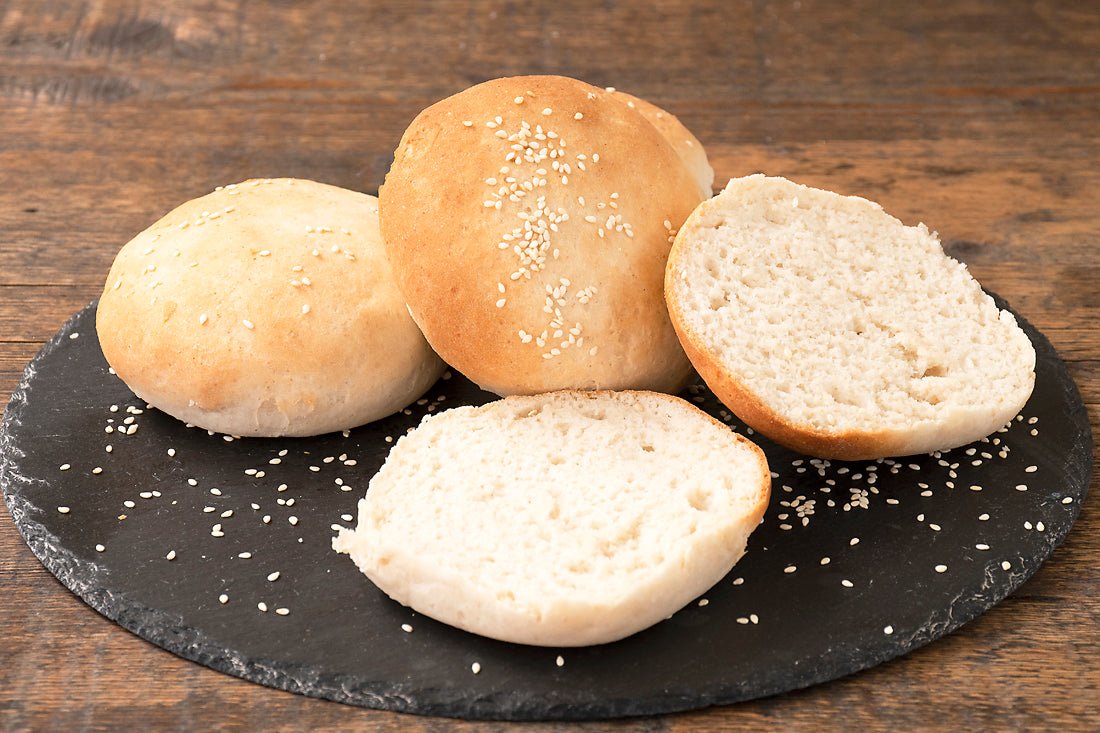
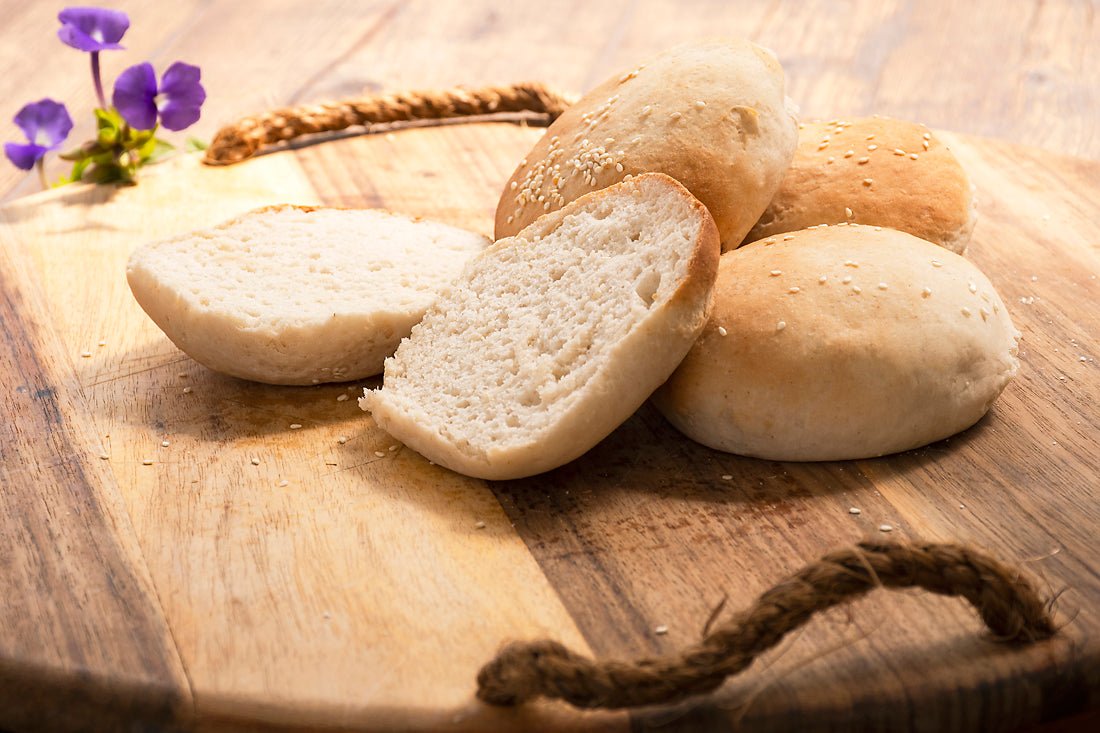
Yeast-based gluten free rolls are *hard* to make. It's easy to make them edible, it's hard to make them roll-like. These probably have the best texture of all the recipes I've tried (and I've tried dozens over the past 4 years or so). Under hydrated and they don't rise and are rock hard, over hydrated and they turn into sloppy flatbreads. So a lot of slack (heh) to be had here.
These are a great, proper roll texture. This is the most success I've had with a bread recipe that doesn't include eggs, milk or xantham gum. It gives a much more classic roll texture that isn't as heavy as a 'milk bread' type roll. The first batch were flatter than I'd like (which I'll explain below) but otherwise 100% my daughter loved them and will probably have one in her lunchbox tomorrow.
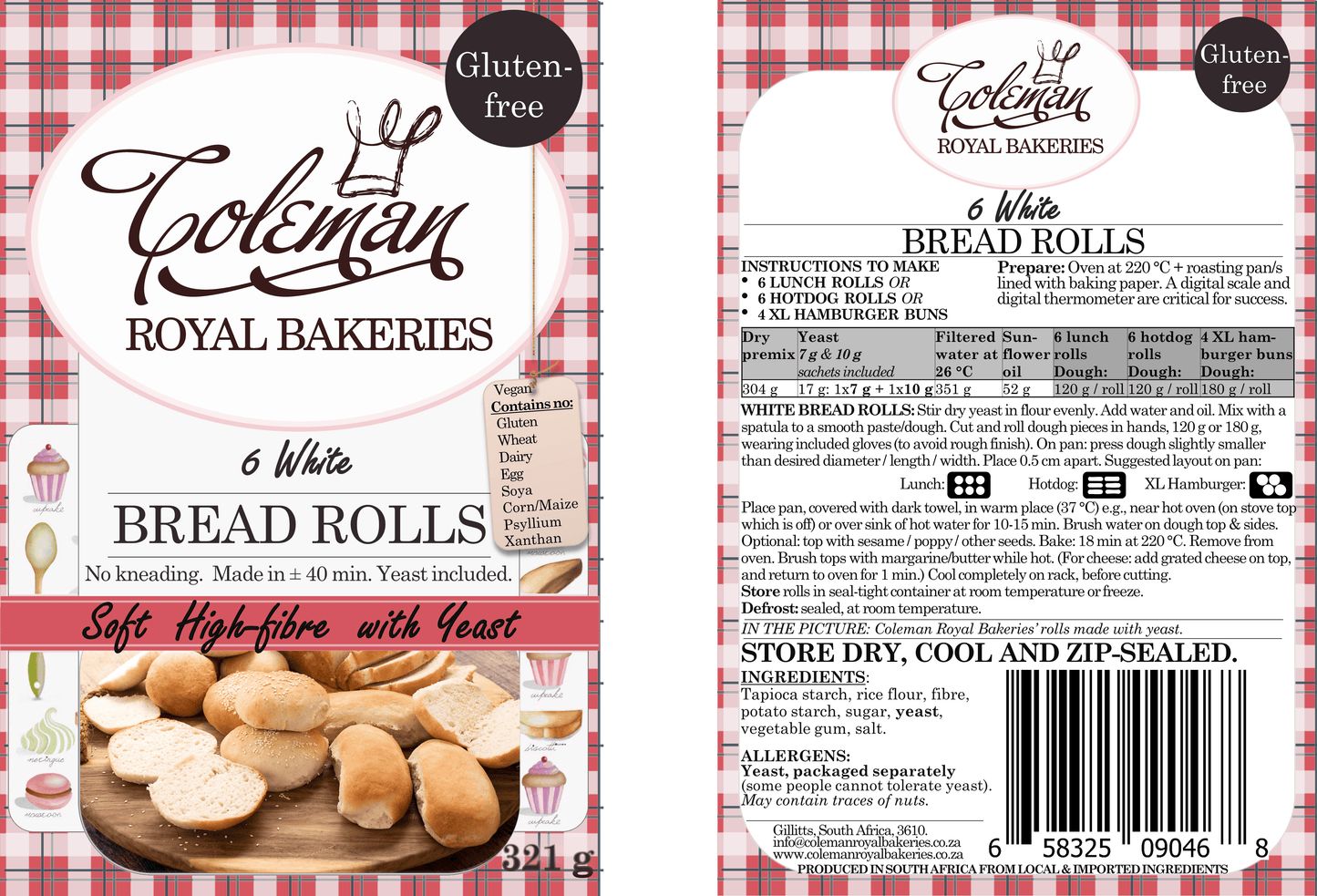
I made a batch of these (6 lunch rolls) and followed the instructions to the gram. I live in a high-humidity area and I definitely noticed it. The dough was quite sticky and sloppy, even at the ratio in the recipe. I don't know if this was the humidity or supposed to be like that (probably both?). Especially just after being mixed.
I started attempting to shape the dough immediately after being mixed, and it was quite sticky and difficult to work with, especially with the gloves. It didn't hold a roll shape (flattened out after a minute). I'm sure this was also caused by the humidity.
I found that leaving the dough to sit and rest/absorb caused it to become marginally easier to work with. Oiling my hands/the gloves helped a lot. It was a bit much to weigh the dough, purely because this was another sticky surface to manage and clean. I switched between using my hands and the gloves to see which was better. I found the gloves to be convenient because I could take them (and the mess) off my hand if I needed a clean hand for a moment. I would probably only use one glove, I didn't really end up needing two, and that would save another one for down the line.
I settled on using a scoop to keep the rolls a consistent size. Oiling my hands thoroughly helped to not cause the dough to peak from where the dough pulled off from my hands. I am not a professional baker, just a at-home one, so I'm sure my technique is probably also lacking here.
I also used a cookie sheet for this, and the rolls spread quite a lot. They turned out pretty flat and not very tall. Next time I will probably use a smaller pan with higher sides, so that there isn't as much space for the dough to spread to.
Next time I may use slightly less water to compensate for the humidity, leave the dough for a minute before shaping, use a scoop (maybe weigh in the scoop?), oil my hands/the glove and use a smaller, higher sided container.
Again, this is a difficult thing to get right at the best of times, so I'm giving this product 5 stars anyway because it did produce me proper texture gluten free rolls.